Private Art Lessons · Barcelona
A guide to learning with
Learning
as a Way of
Seeing
Drawing, painting, poetry, performance. All of it tied to how you learn to look. And looking changes more than just your work.
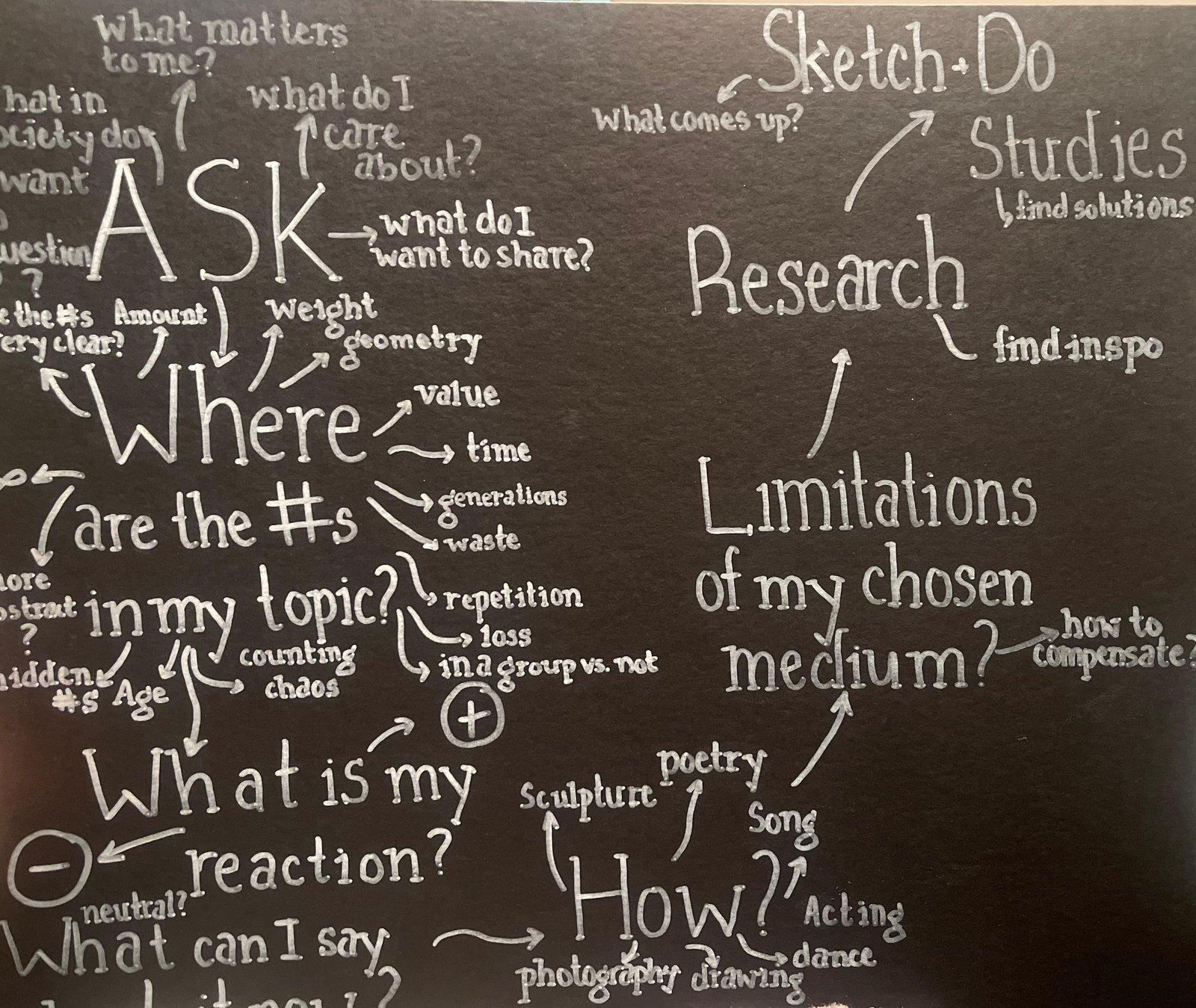
The frustration of spending hours on something and still not being able to make it look the way you saw it. The defeat of mixing a colour twelve times and never arriving at it. These are my experiences. I was a beginner once, and a confused one.
That confusion is exactly why I teach. Years of classical training didn't erase the memory of it. They gave me a vocabulary for it. I know which techniques would have helped me then, and I know how to give them to you now.
Drawing and painting are learnable. You need time, attention, and someone who still remembers what it felt like not to know. Whether you've never picked up a brush or you've been working on your own for years, I'm here to help you take the next step and the one after that.
Learning to see is learning to be present. To a shadow. To a silence. To the weight of one colour sitting next to another.
My teaching starts with looking and tends to end somewhere unexpected. The studio is a place of inquiry. You don't come to produce something impressive. You come to be more honest about what you notice and how you respond to it.
The classical tradition is where the work begins. Where it ends is up to you.
I work across oil painting, drawing, poetry, and live performance. These disciplines don't stay separate — what you learn in one feeds the others. The same is true in the teaching. Technical skill and creative instinct grow together here. Neither is a prerequisite for the other.
No experience needed. The only thing the studio asks is that you look: honestly, slowly, without deciding in advance what you'll find.
Proportion, value, light. The curriculum starts there and opens outward. Whether you want to draw from life, build a painting practice, or simply learn to trust your eye, the work adapts to you.
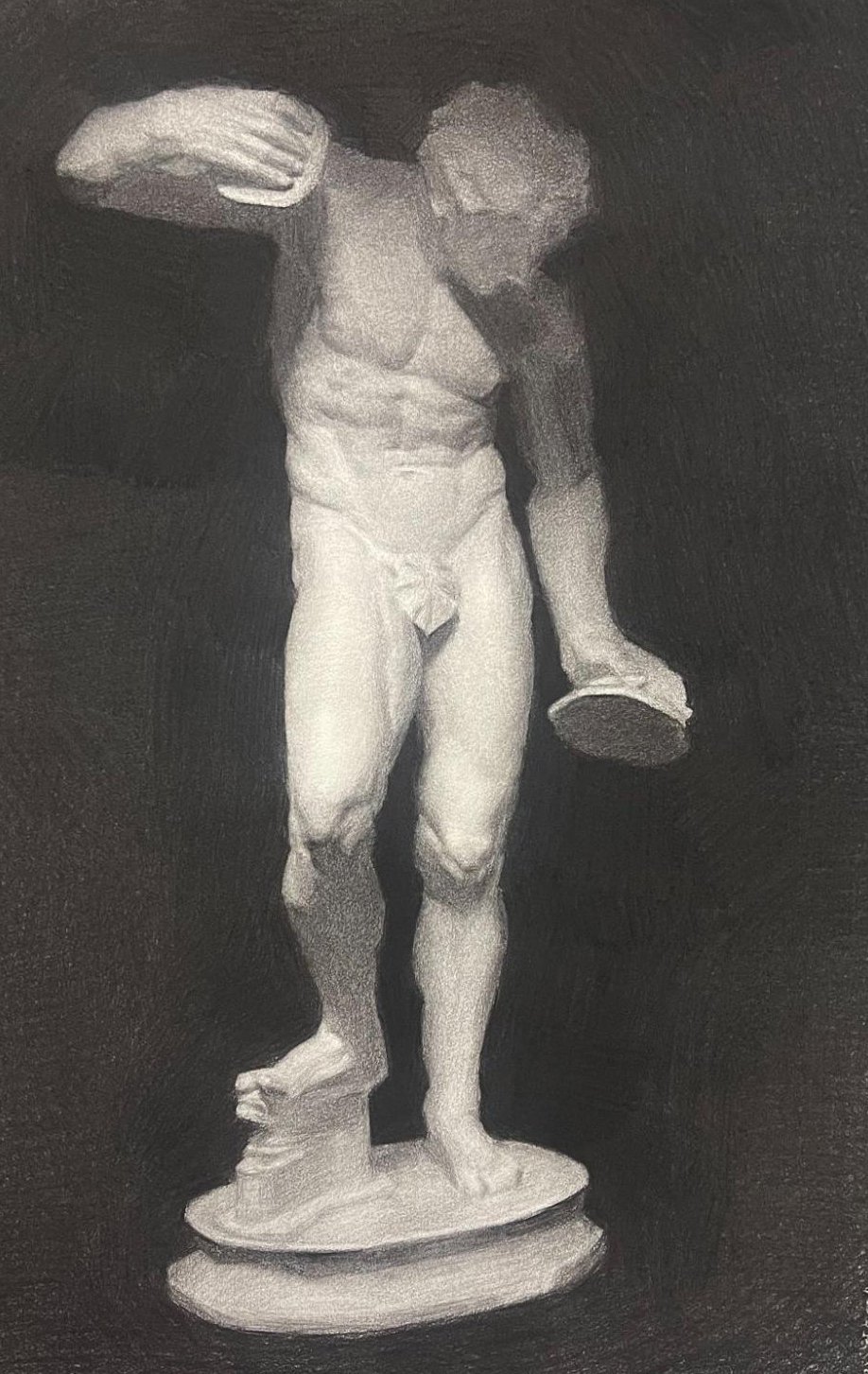
Classical cast drawing. The foundation of observational practice.
Bargue Method
Drawing from plaster casts. The foundation of the atelier tradition, and the most direct path to learning how to truly observe.
Still Life
Composition, value, light. Practiced through the quietest subject in the studio.
Oil Painting
Colour theory, paint handling, and how tone becomes pigment. From your first mark through layered glazing.
Portraiture
The structure of the human face and what it holds. Studied with rigour and care in equal measure.
Life Drawing
Drawing the figure from live models. Gesture, structure, and the body as it actually is.
Landscape
Plein air and studio. Learning to hold atmosphere, scale, and changing light on the same surface.
Each session follows the same shape. It gives you somewhere to stand while you figure out where you're going.
1
Review Previous Work
We start by looking at what you made since we last met. The question isn't whether it's finished. The question is what it's asking for next.
20 minutes
2
Technique and Concepts
We talk about the ideas behind the technique. Where it comes from, why it solves the problem it solves, what other artists have done with it. Context isn't extra. It's how the technique sticks.
30 minutes
3
Instructor Demonstration
I work through the technique in front of you. You see the decisions, the corrections, the moments of uncertainty. The work itself, not a polished version of it.
10 minutes
4
Break
A pause to look, rest your hand, let what you've taken in settle before you start working.
5 – 10 minutes
5
Your Practice Time
You work. I watch, ask questions, and correct. The aim is to build your own vocabulary for the practice, so you know what to do when I'm not in the room.
40 – 50 minutes
6
Closing Review and Homework
We look at what you made with some distance, decide what to carry forward, and set something small to work on during the week. The studio work compounds when it doesn't stop between visits.
10 – 20 minutes
- Weekly feedback and review in each session
- Discord access for mid-week questions and advice
- Quarterly progress critiques — a detailed look at where you've been and where to go next
- Goal-setting for short and long-term development
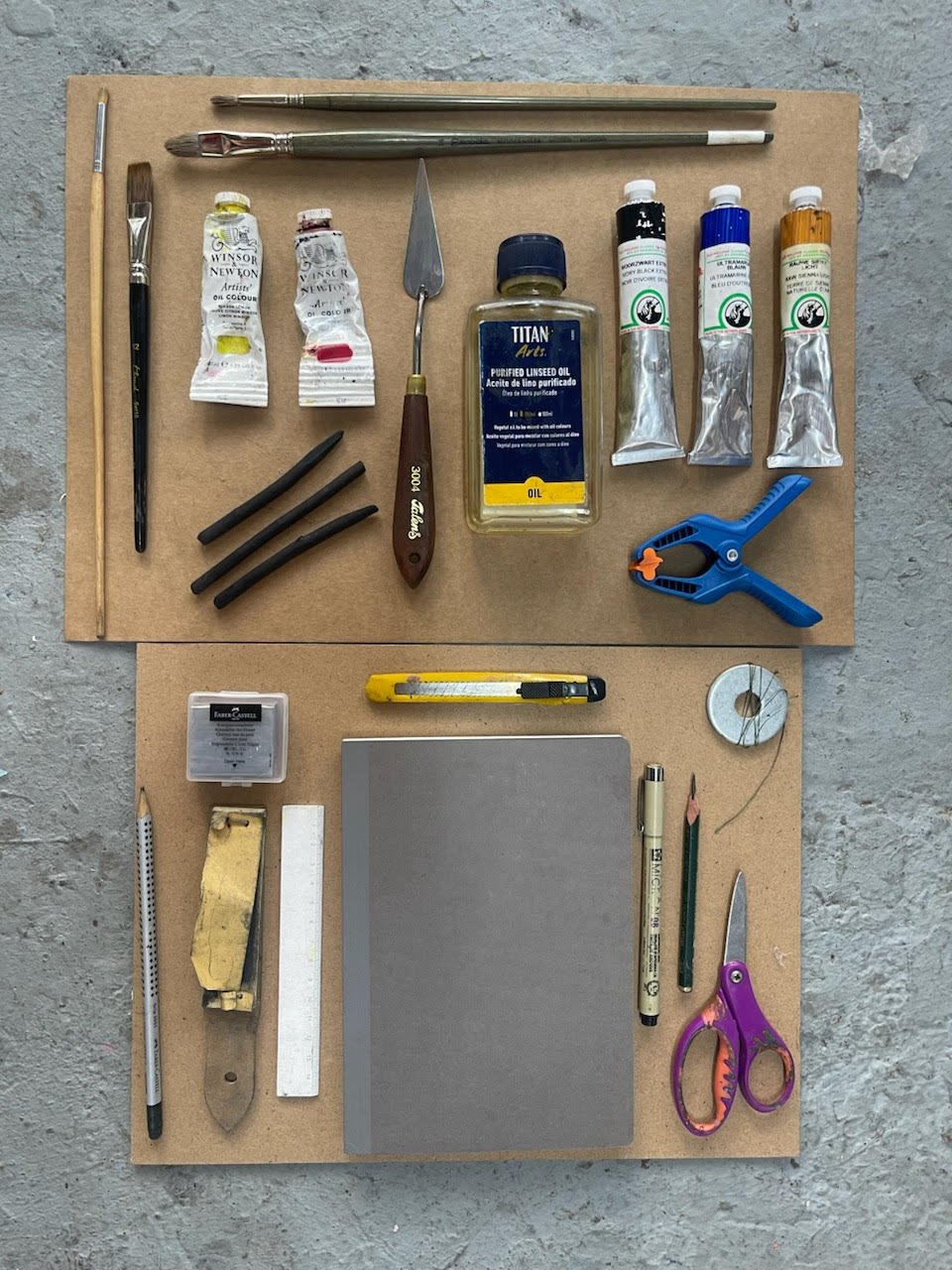
Art Supplies
Materials are provided for your first session. After we meet, you'll receive a personalised supply list.
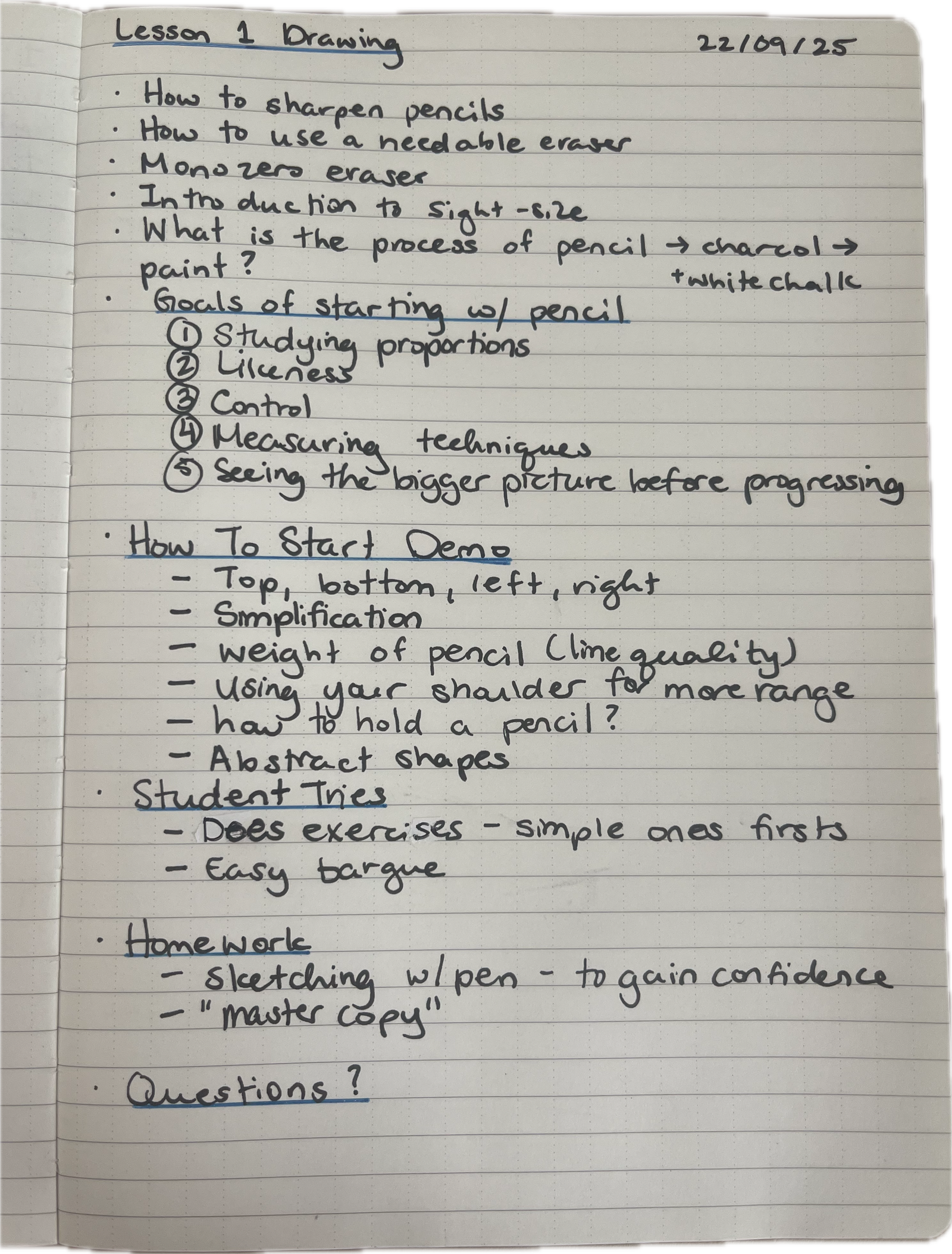
Personalised Instruction
Every session is built around where you are and where you want to go. No two lessons look alike.
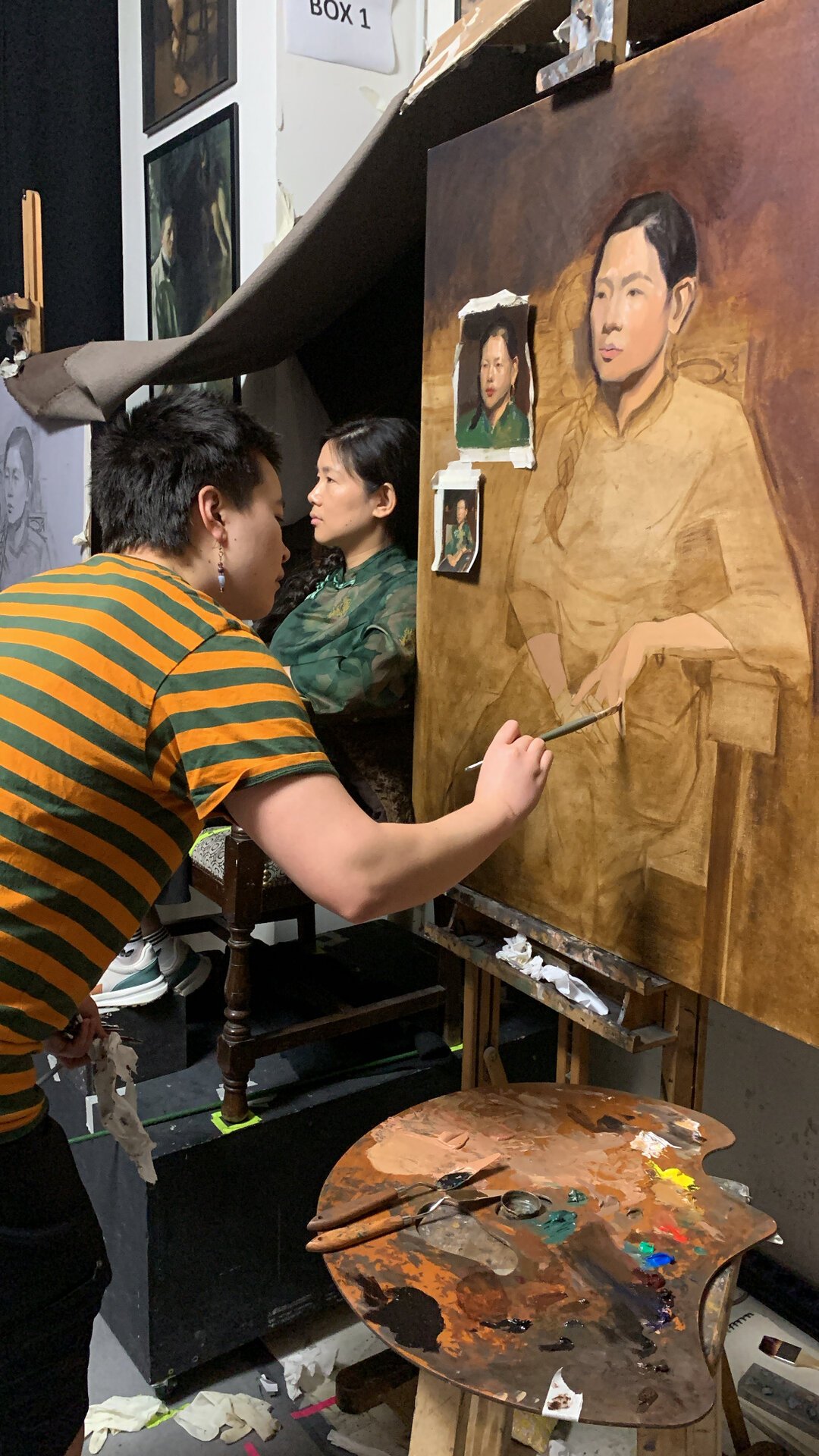
The Studio
The Barcelona studio has good north light and space to work. Online sessions are equally welcome.
Curiosity is enough. Wondering what you might make, or what you might finally see, is reason enough to come.
- Complete beginners. No drawing or painting experience needed. This is exactly where we start.
- Hobbyists and self-taught artists who want more rigour alongside their instincts
- Musicians, actors, writers, and dancers who want to expand into visual work
- Professionals and collectors who have lived with art for years and want to understand how it's made
- Students preparing for art school applications and portfolio reviews
- Anyone returning to a practice they put down. It doesn't matter how long ago.
English (native) · Spanish (working) · LGBTQ+ friendly · Ages 8 and above · Barcelona studio or online
I highly recommend the landscape class with T. I went in without having any idea of what I wanted to make, and I didn't have any previous experience. I enjoyed visualizing what type of landscape I wanted to paint first, then comparing that with examples of finished paintings. Throughout the process, I understood the importance of starting with the basic elements and advancing towards the more subtle ones. The two examples that showed composition and a value scale helped me make a small sketch, and these were key to my understanding of the basics and connecting what I wanted to make in that moment. T. showed a lot of interest in understanding what I wanted to do. Their suggestions when I was stuck were very helpful during the creation process. T.'s attitude was pure inspiration! I really learned a lot, and above all else, I enjoyed being like a little kid again. To flow, to experiment with colours, to be present, to connect with what I wanted to express, without expectations. For all these reasons, I am very grateful for this class!
Erich — Landscape Workshop student
Materials are included for your first session. After we meet, I put together a personalised supply list based on what you're working toward.
Single Session
€50
per hour · typically 2–3 hours
A good way to start. Come, see how it feels, and decide from there.
Six-Session Bundle
€250
six sessions · saving €50
Six sessions is enough time to build something real. Technical and creative work compound together. Includes a quarterly progress critique.
Payment prior to each lesson · Tuesday evenings · Wednesday mornings · by arrangement
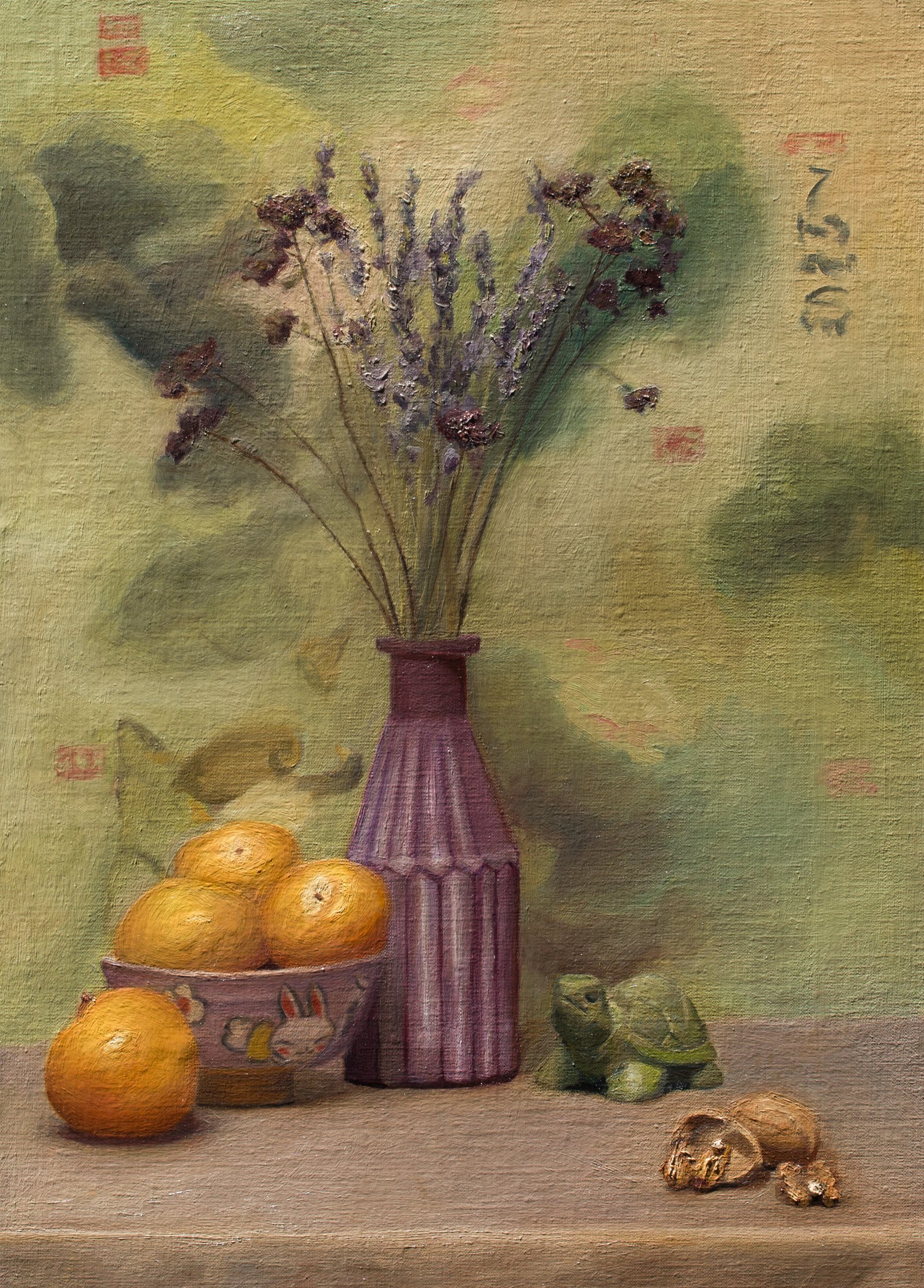
T. Cheung-Damonte is a Barcelona-based artist and educator working across oil painting, drawing, poetry, and live performance.
Trained at the Barcelona Academy of Art in the classical tradition, T.'s practice starts in rigorous observation and moves restlessly outward from there. The disciplined eye and the instinct to break form sit side by side — both show up in the teaching.
T. teaches from one conviction: everyone is an artist. The studio is just where you find out for yourself.
@tcdart on Instagram · t@tcdart.com
Begin Here
The first session starts with a conversation. Where you are now, what you want to make, where you want the work to go. Book a private lesson or write with any questions.
tcdart.com/lessons
Barcelona · In-person & online
You don't arrive with nothing. Nobody does. The studio is just where we find out what you've been carrying.